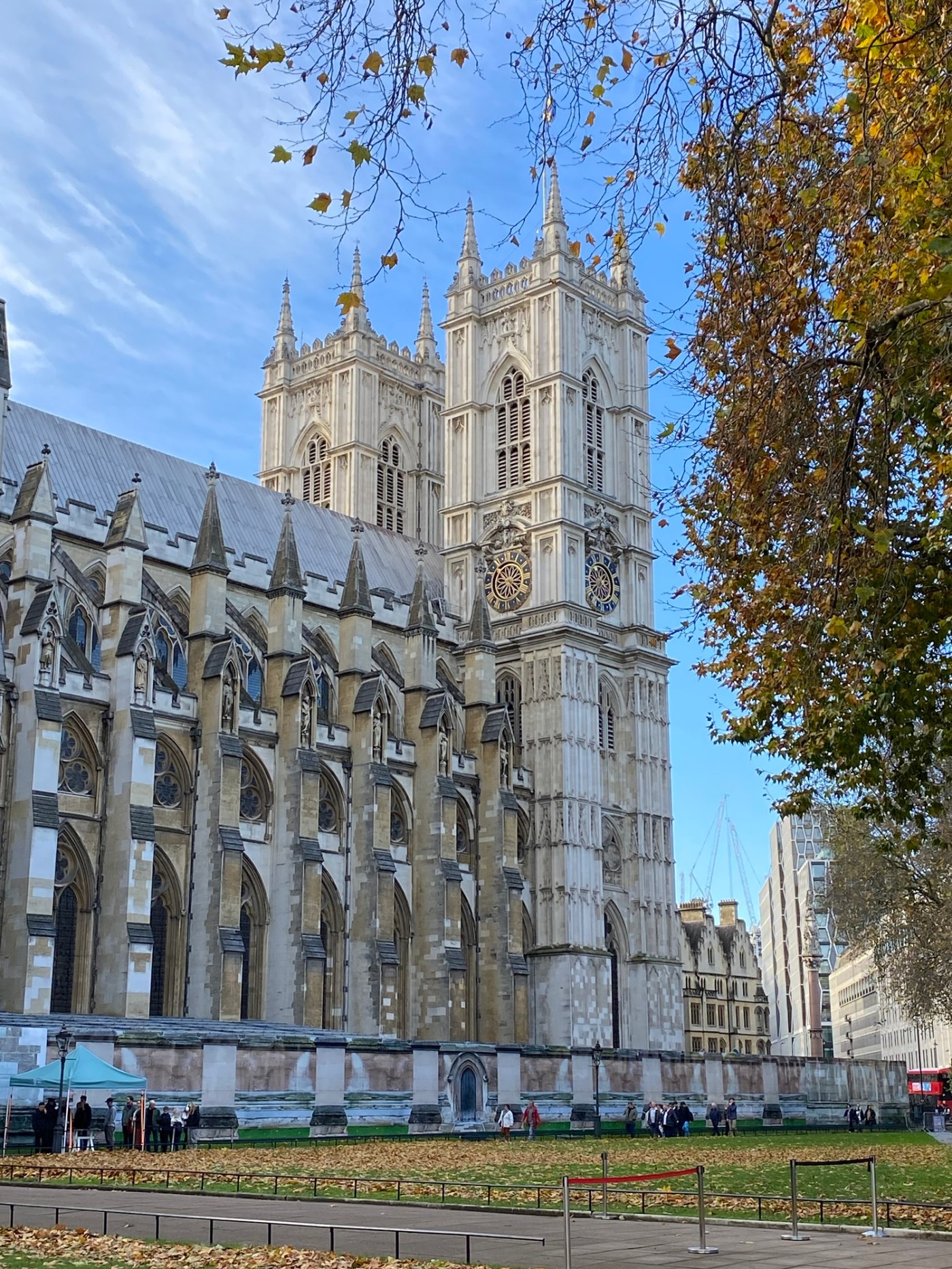
A must see on any visit to London is Westminster Abbey. What started out as a church built in the mid 900’s for Benedictine monks was expanded by King Edward the Confessor in 1040. It is the burial site for more than 3300 people including 18 past monarchs and many other royal relatives, prime ministers, poets, scientists, musicians, military leaders and the Unknown Warrior. Originally built and maintained as a Catholic church the Abbey became an Anglican church in the 16th century during the English Reformation.
The main entrance is through the north doors. There is a lot to see as you walk throughout the Abbey so make sure to look up, down and all around! There are audio guides that you can use and the tour is one direction so you may find yourself caught up with others who are gazing at the same sites. Take your time and soak up the history of this amazing place.


The nave in Westminster Abbey is the tallest Gothic nave in England with a height of 101 feet. Henry III was building this part of the Abbey when he died in 1272 and it took almost 150 years for it to finally be completed. The flying buttresses on the exterior allowed the ceiling to reach this incredible height.
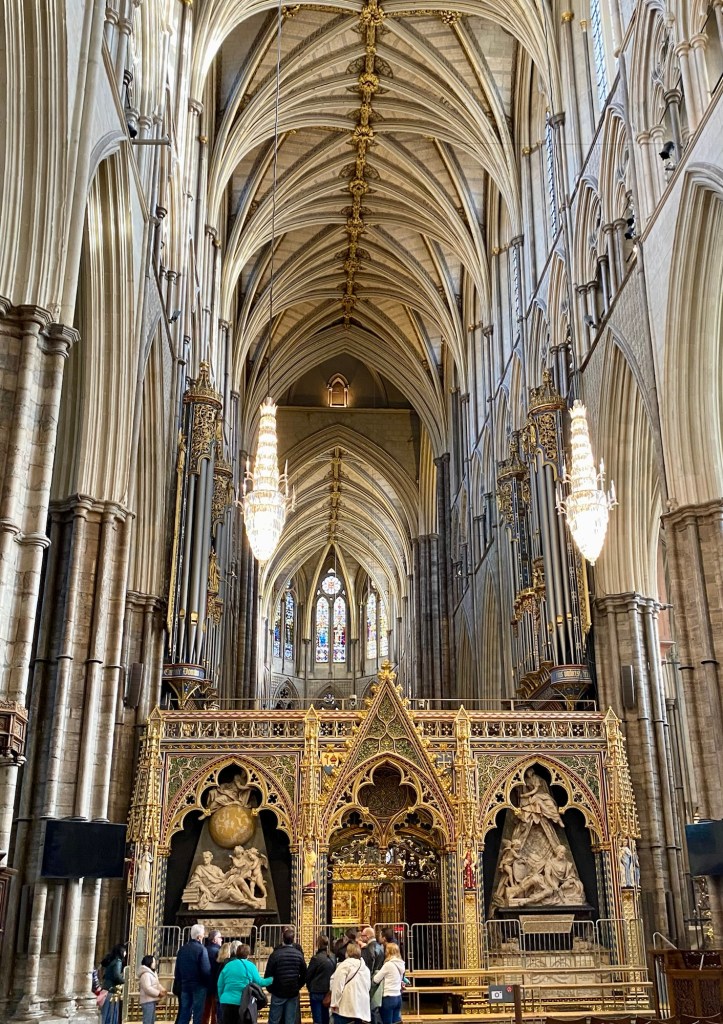

The Abbey has played an important role in royal wedding history with sixteen royal couples being married here with the first being Henry I in 1100 and later Queen Elizabeth to Prince Philip and Prince William to Catherine Middleton…now the Prince and Princess of Wales. A tradition started by Queen Elizabeth The Queen Mother is for the royal bride to place her bouquet on the Tomb of the Unknown Warrior. This tradtion has continued to this day even if the royal bride was not married in the Abbey.


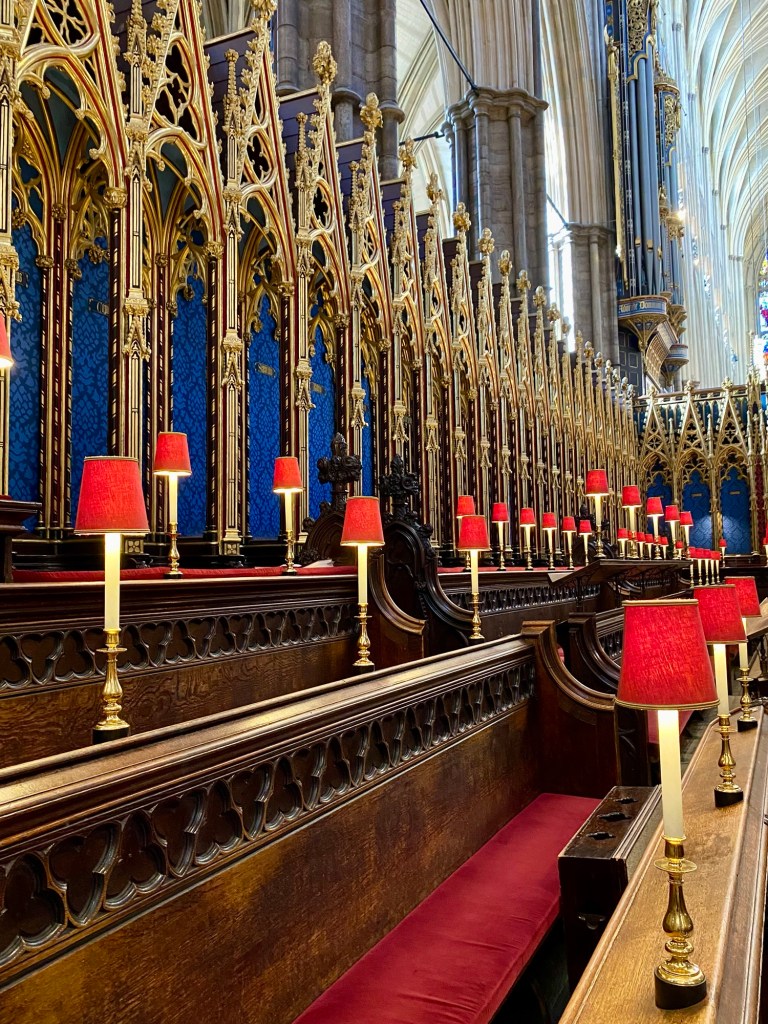
Continuing around the nave you then pass through the Quire with black and white marble floors dating back to 1677 and stalls for the singers, as well as visiting Commonwealth dignitaries. The choir of Westminster Abbey is well-known and is made up of thirty boys between the age of 6 and 13, and twelve professional adult singers. As well as singing during daily services the choir also plays a key role in royal, state, or national occasions when the church is used for these events.

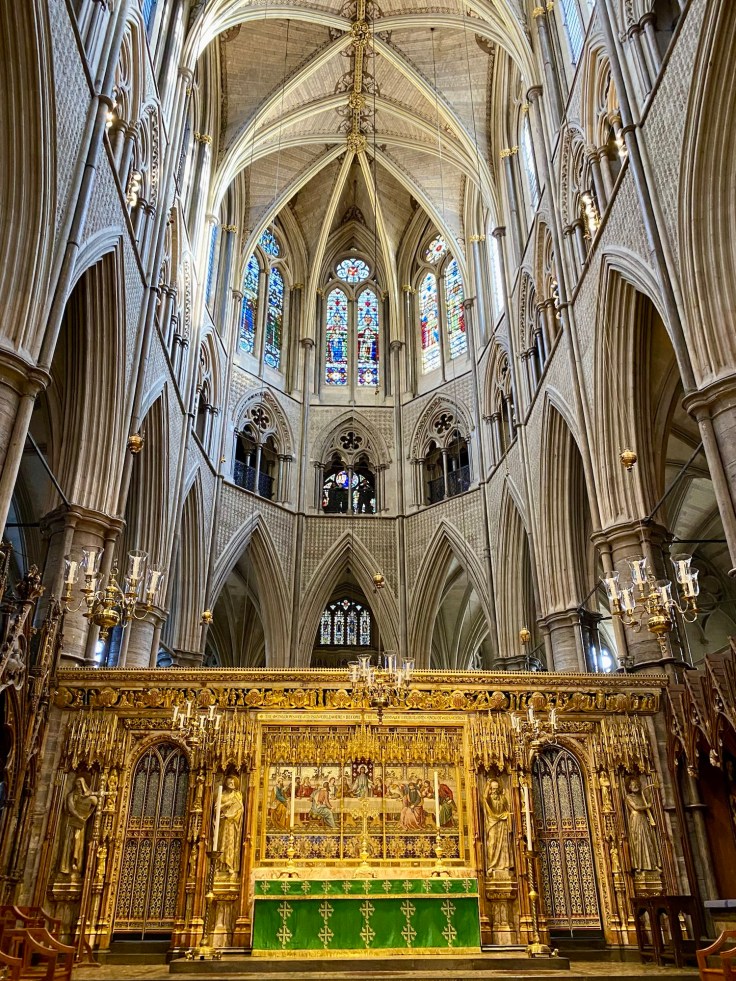
Leaving the quire you find yourself facing the high altar. This area was consecrated in 1269. The mosaic above the altar depicts The Last Supper and the statues on either side are of Moses, St. Peter, St. Paul, and King David. During a coronation the Coronation Chair faces this altar and the anointing and crowning of the new monarch takes place here.

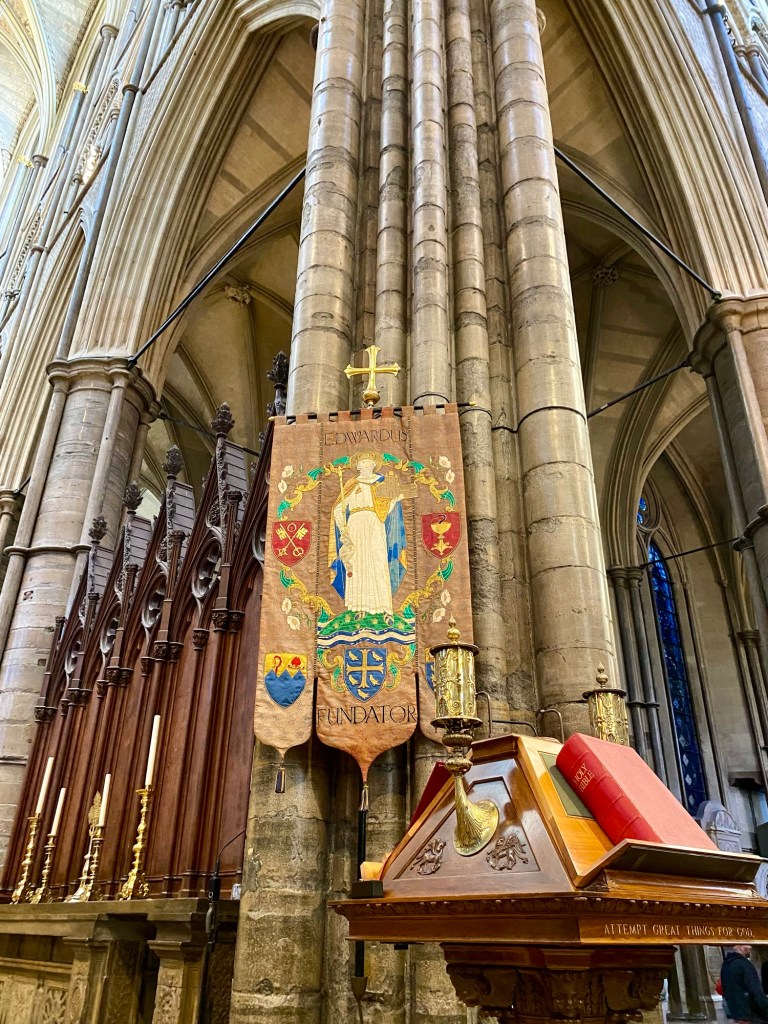
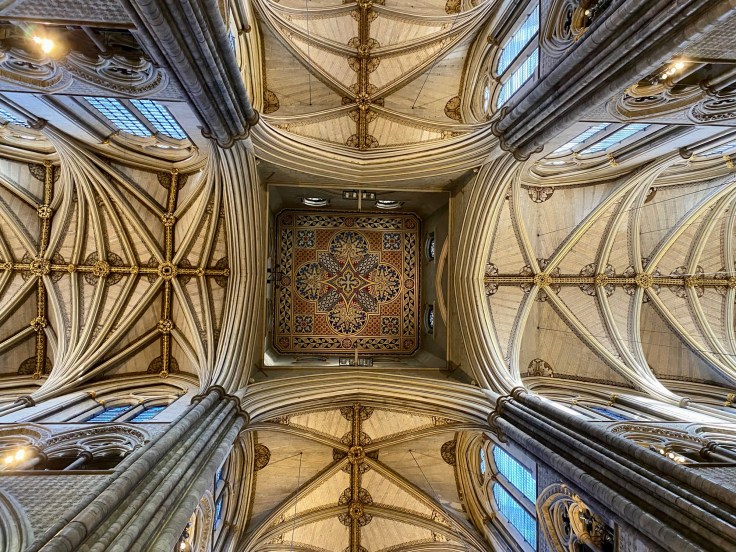
Wandering past the giant tomb of Edward the Confessor, which is the most sacred part of the Abbey, you will find yourself in an area where many royals have been buried in ornate tombs. The last monarch to be buried here was George II in 1760. The abbey has been the setting for many royal funerals. however most of the more recent burials are in St. George’s Chapel at Windsor Castle.

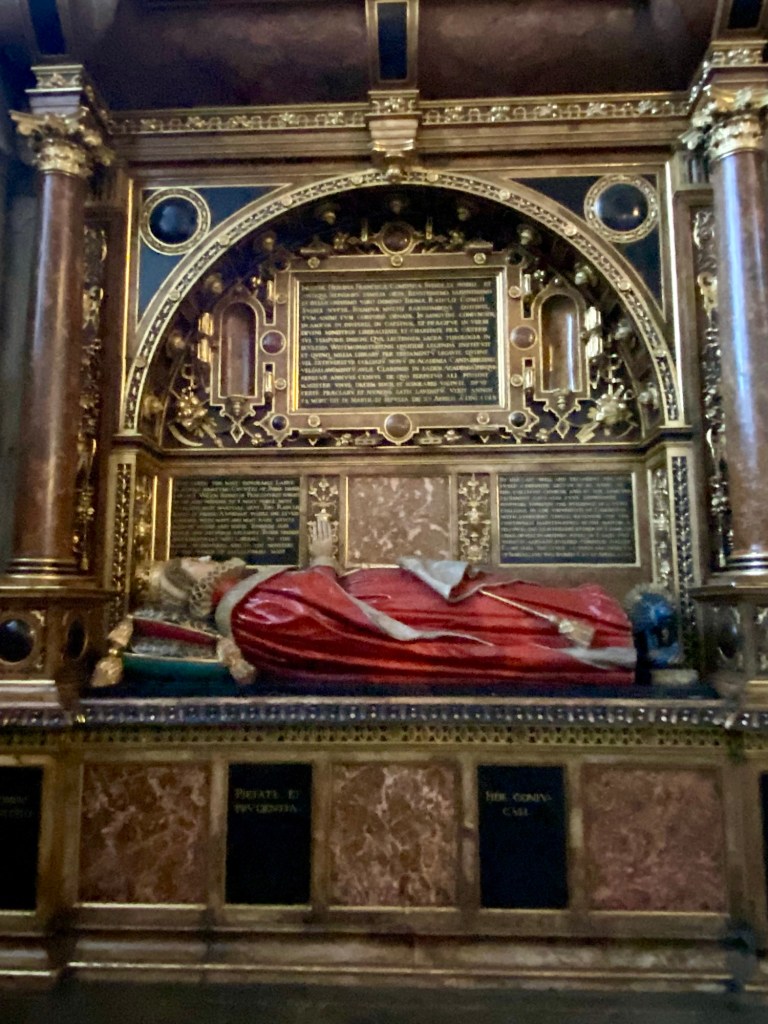

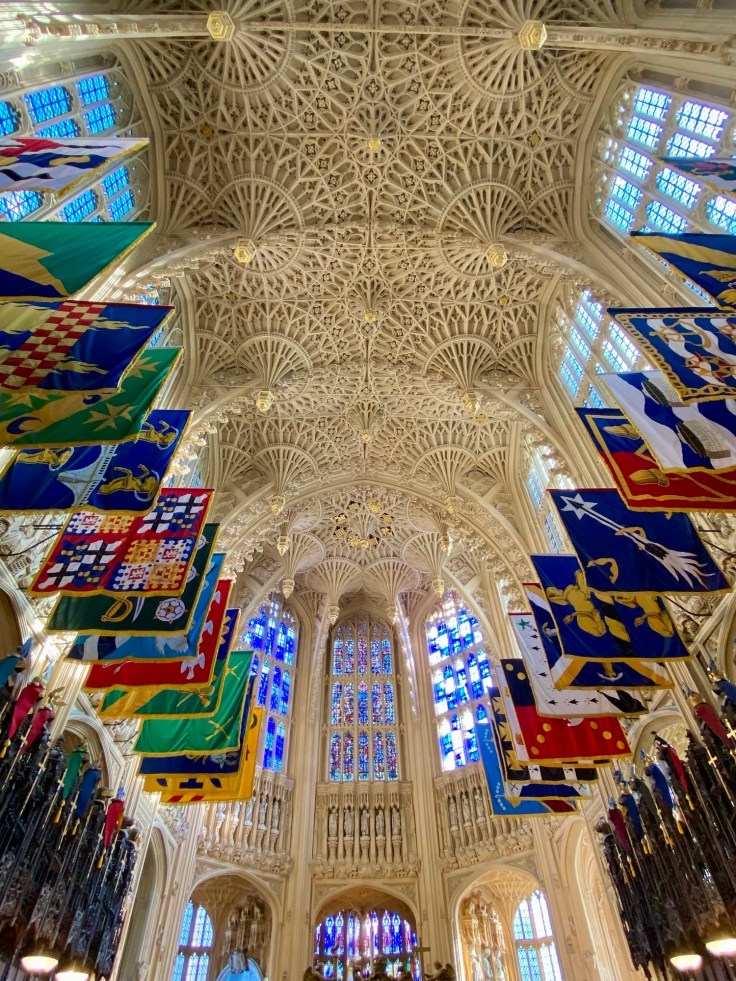
Most of the royal tombs are in The Lady Chapel which was built between 1506 and 1516 by Henry VII. The highlight is the fan-vaulted ceiling which is carved from stone and was built on the floor and later put into place onto the ceiling. The Knights of the Bath would meet here with their banners proudly flying above them and their coats of arms behind them.
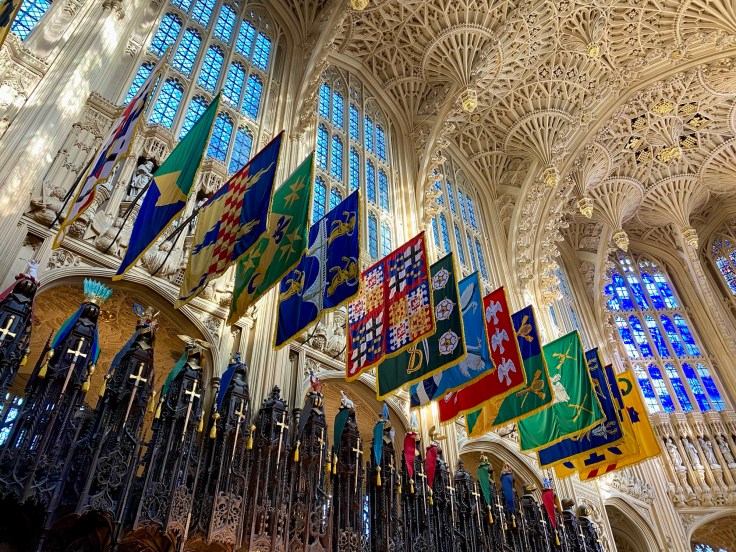


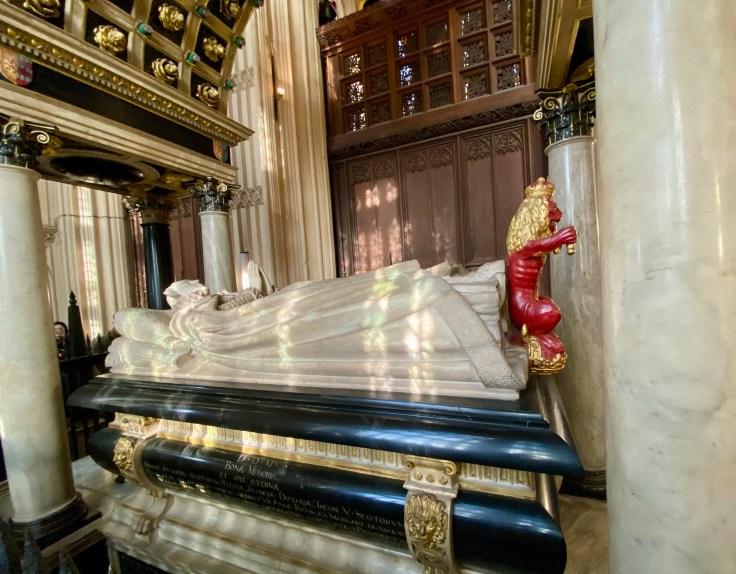
There are far too many tombs to try and remember all the names, but the intricate details and designs certainly speak to the importance of the royal families throughout the centuries.


In Poet’s Corner you will find monuments and plaques dedicated to over 100 poets and writers who are either buried or memorialized here. The Deans of Westminster decide who receives a place here based on their outstanding merits. The company here is certainly impressive.


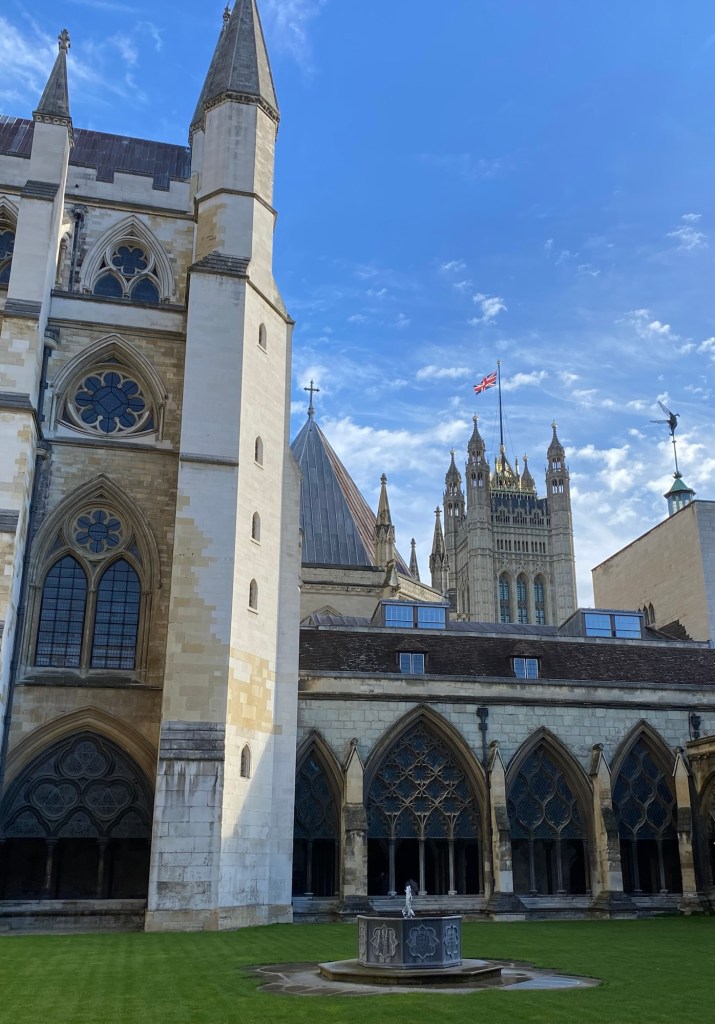
Exiting the church briefly you wander through the Great Cloister with the central garden area. The buildings surrounding the cloister housed the monks and this garden area was a place for quiet reflection and meditation.
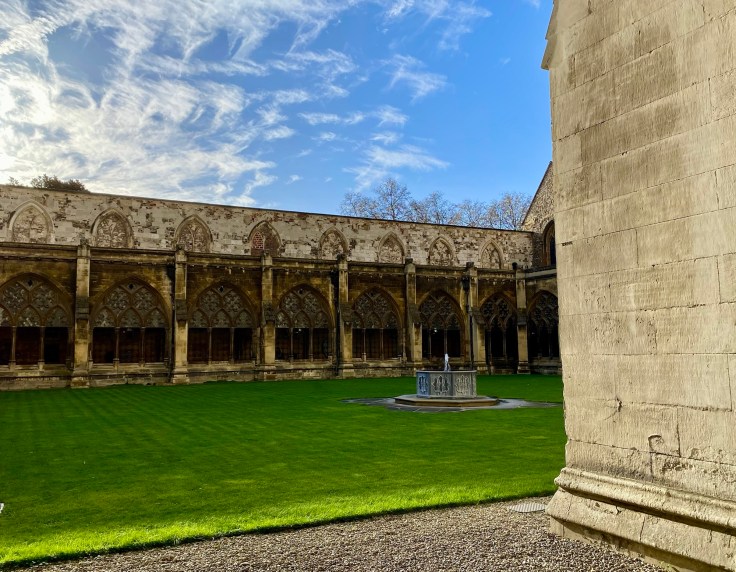

The final stop after you reenter the Abbey is the Coronation Chair. There have been forty monarchs crowned here since 1066 and this chair has been the one used for more than 700 years. During a coronation the chair is placed in the centre of the Abbey facing the high altar. The legs of the chairs rest on lions, the symbol of England.

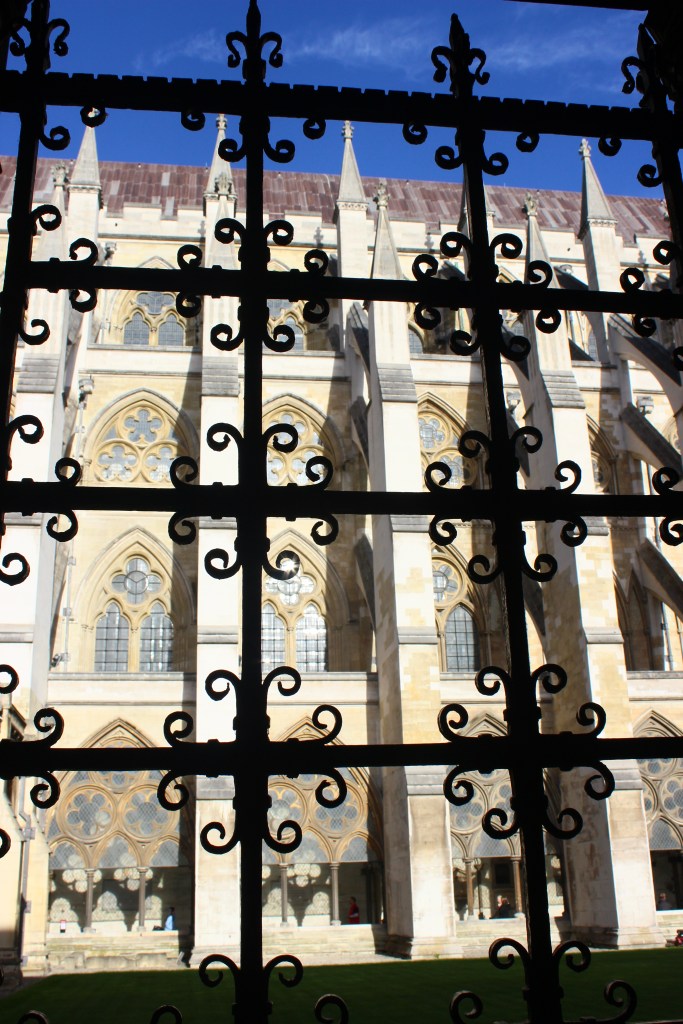
As you exit by the western doors look back at this imposing side of the Abbey the entrance for all those royal weddings and funerals, coronations, remembrance services, and carol festivals. The statues of ten martyrs above the main doors was unveiled in 1998 and include Christians persecuted for their faith during the 20th century.

Visiting Westminster Abbey with its history that dates back over 1000 years is definitely a site not to be overlooked. The Abbey can get very crowded and so purchasing an entry time online will save you waiting too long especially in the summer months. It’s also a good idea to pick up some kind of tour outline or use the audio guides provided.
 Meandering My Way...
So much history there!
LikeLiked by 1 person
What a building. I’ve visited a few times, but it still puts me in awe every time. Maggie
LikeLiked by 1 person
Everywhere you look too!
LikeLiked by 1 person
Beautiful captures of Westminster Abbey. We visited nearly a decade ago and I remember being in awe of how impressive it is. I remember it being crowded too! Thanks for the tour.
LikeLiked by 1 person
Thanks for checking this out. It really is so amazing and a lot to take in!
LikeLiked by 1 person
Beautiful pictures of this iconic and historic building! I think I could spend an entire day wandering through and soaking up all the history and the architecture 🙂
LikeLiked by 1 person
I think you’re right about spending a long time here! Every time I’ve been I’ve discovered more.
LikeLiked by 1 person
Although I pass the Abbey quite often, and worked just down the road for several years, I don’t think I’ve been inside since I was a teenager! Most Londoners don’t, unless we have visitors to escort I guess. So I really enjoyed being reminded of its glories through your post, especially the fan vaulting in the Lady Chapel, and I was fascinated to learn that this was carved on the ground before being raised to the ceiling!
LikeLiked by 1 person
It’s a beautiful building and soooo much to take in.
LikeLiked by 1 person